The United Arab Emirates has undergone one of the most rapid transformations of any nation, and its homes tell that story just as vividly as its skyline. From modest pearl-diving villages to a global hub of design and luxury, the evolution of furniture and decor in the UAE reflects decades of cultural exchange, economic growth, […]
The United Arab Emirates has undergone one of the most rapid transformations of any nation, and its homes tell that story just as vividly as its skyline. From modest pearl-diving villages to a global hub of design and luxury, the evolution of furniture and decor in the UAE reflects decades of cultural exchange, economic growth, and shifting lifestyles.
Before the Boom: Life Along the Coast
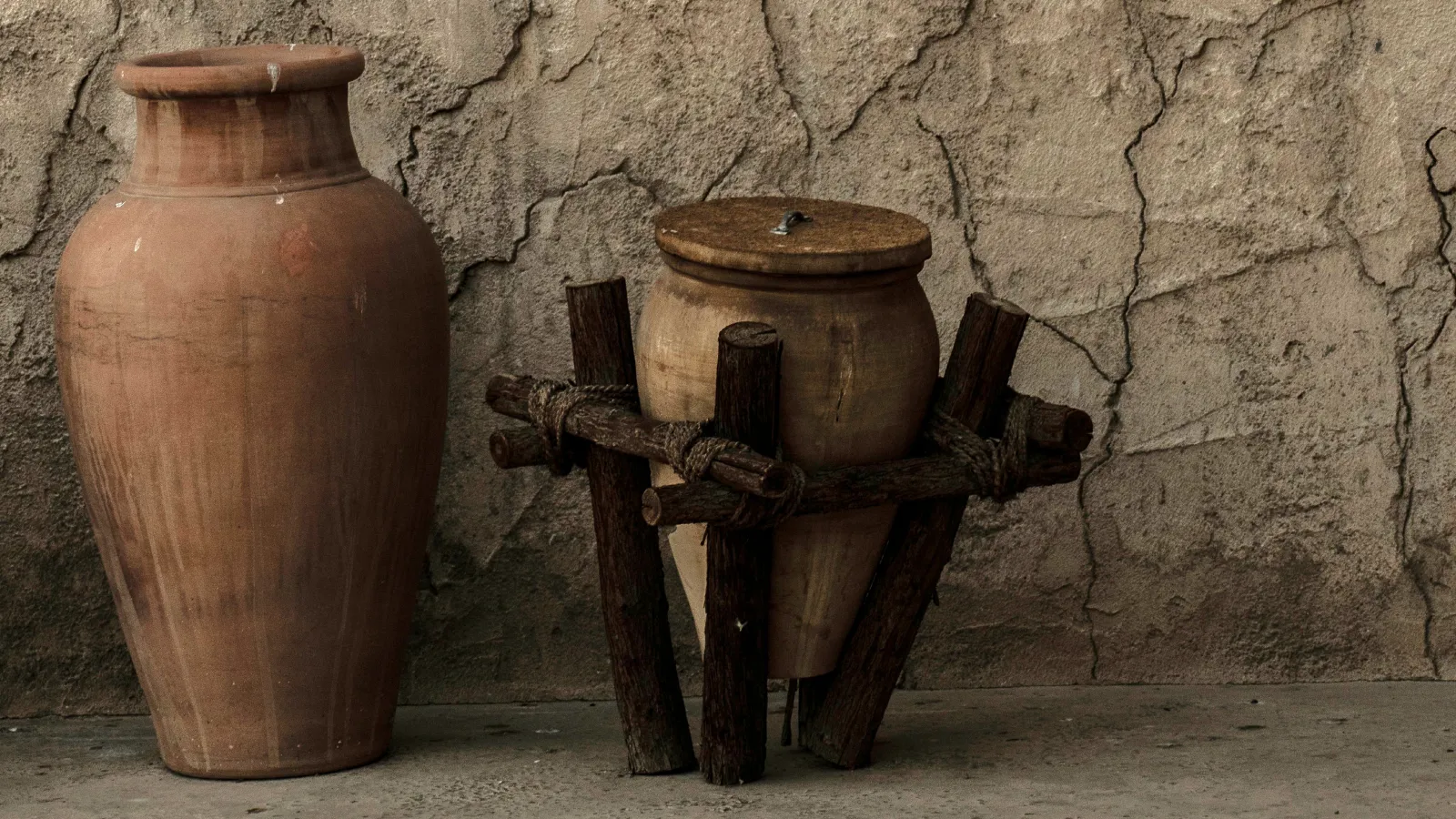
Before oil wealth transformed the region, homes in the UAE were built for the climate and for community. Coral stone and palm-frond, known as barasti, houses kept interiors cool, and furniture was simple and functional—low seating, woven mats, and storage chests. Wind towers, or barjeel, provided natural ventilation long before air conditioning, and interiors were designed around shade, airflow, and communal gathering rather than display. The majlis, a dedicated space for gathering and hospitality, was already central to home life, a tradition that continues today in a very different form. Pearl diving, fishing, and trade with India and East Africa shaped both the economy and the modest material culture of the time, with furniture reflecting necessity far more than luxury.
The Post-Oil Transformation
As the UAE developed rapidly from the 1970s onward, imported furniture styles from Europe and Asia began appearing alongside traditional pieces. Homes grew larger, and interiors started to reflect a blend of local heritage and international influence. Ornate, heavily gilded furniture became popular in many households, signaling status and hospitality in a newly prosperous era. This period also saw the rise of formal, dedicated reception rooms in private homes, often furnished with large upholstered seating sets, crystal chandeliers, and elaborate window treatments that stood in sharp contrast to the simplicity of earlier decades.
The 1990s and 2000s: Rapid Modernization
As Dubai and Abu Dhabi grew into major international cities, furniture and interior design followed suit. International hotel brands, shopping malls, and residential towers introduced global design trends to the local market, and homeowners increasingly had access to furniture and decor from around the world. This period saw a growing appetite for both maximalist, opulent styles that echoed the region’s love of hospitality and display, and early signs of the cleaner, more minimal aesthetics that would become popular in the decades that followed.
A Global Design Hub
Today, Dubai and Abu Dhabi are home to some of the world’s most influential design fairs, showrooms, and architecture. Downtown Design, Dubai Design Week, and a growing number of international furniture showrooms have made the UAE a genuine destination for interior design, not just a market for imported goods. Emirati interiors now range widely—from maximalist, opulent styles to sleek minimalism inspired by Scandinavian and Japanese design. What ties much of it together is a continued respect for hospitality-focused layouts, generous seating for gatherings, and materials suited to a hot climate, such as breathable textiles, stone flooring, and shaded outdoor living spaces.
Where Tradition Meets Modernity
Perhaps the most distinctive feature of UAE interiors today is how comfortably tradition and modernity coexist. A contemporary Dubai living room might feature a minimalist sofa alongside a carved wooden majlis-style seating nook, or sleek marble floors paired with traditional textiles and cushions. Interior designers across the Emirates increasingly draw on Arabic calligraphy, geometric patterning, and traditional materials as deliberate design choices, rather than default aesthetics, giving new builds a sense of place that purely international styling often lacks.
The Road Ahead
As the UAE’s population continues to diversify and its cities keep growing, furniture and decor trends are likely to keep evolving just as quickly. Sustainability, smart-home integration, and a renewed interest in regional craftsmanship are all shaping how homes are furnished today. This ongoing dialogue between past and present is what makes furniture and decor in the UAE so dynamic to watch, and it shows no sign of slowing down as the country continues to position itself as a global center for design and innovation.