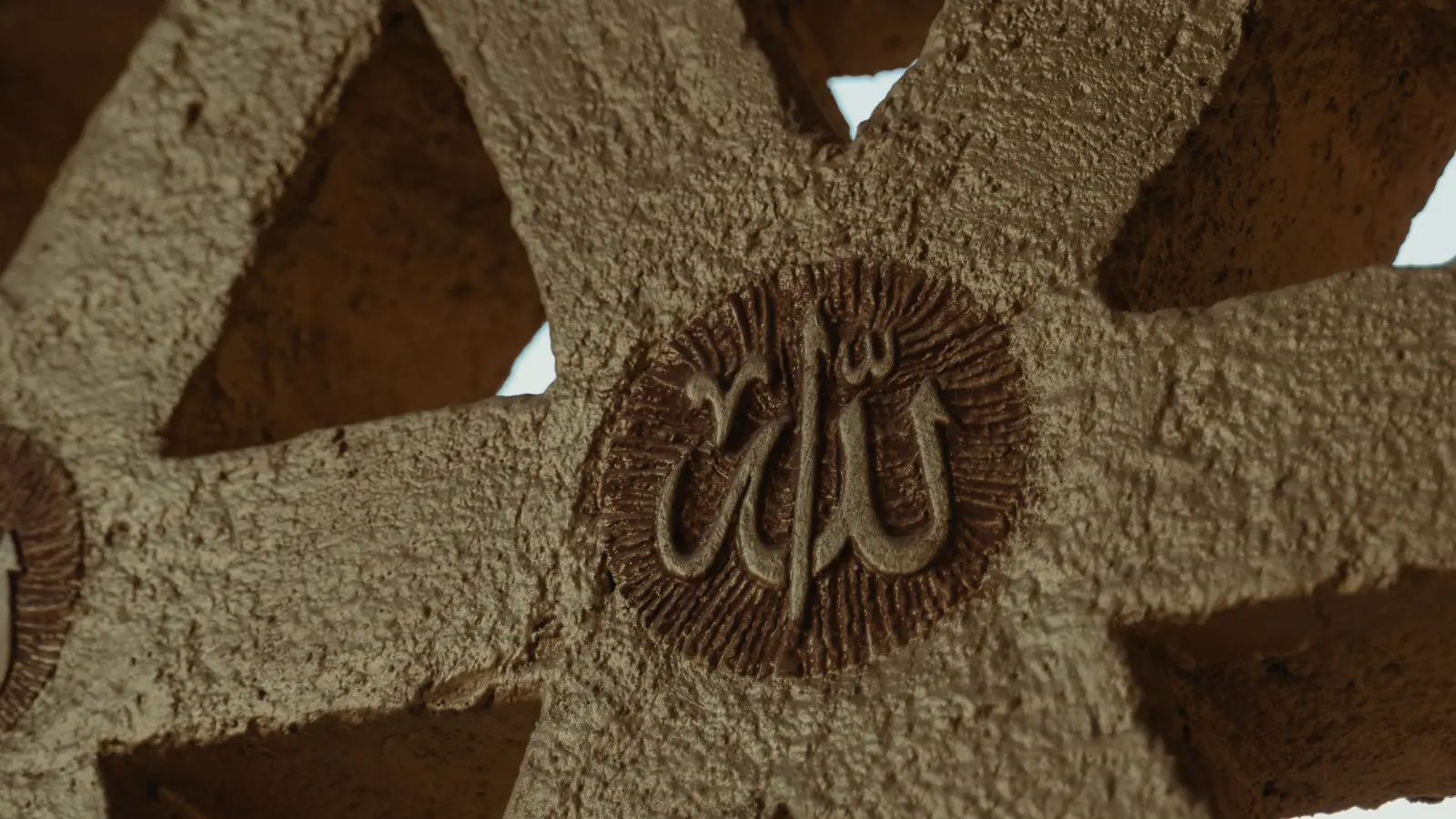
Walk into many homes across the Arab world and you’ll notice it quickly: intricate, repeating geometric patterns adorning furniture, screens, and decorative panels. These designs aren’t just decoration—they carry centuries of mathematical, spiritual, and artistic tradition. Origins of the Style Islamic geometric art developed as artisans sought forms of decoration that avoided figurative imagery, in […]
Walk into many homes across the Arab world and you’ll notice it quickly: intricate, repeating geometric patterns adorning furniture, screens, and decorative panels. These designs aren’t just decoration—they carry centuries of mathematical, spiritual, and artistic tradition.
Origins of the Style
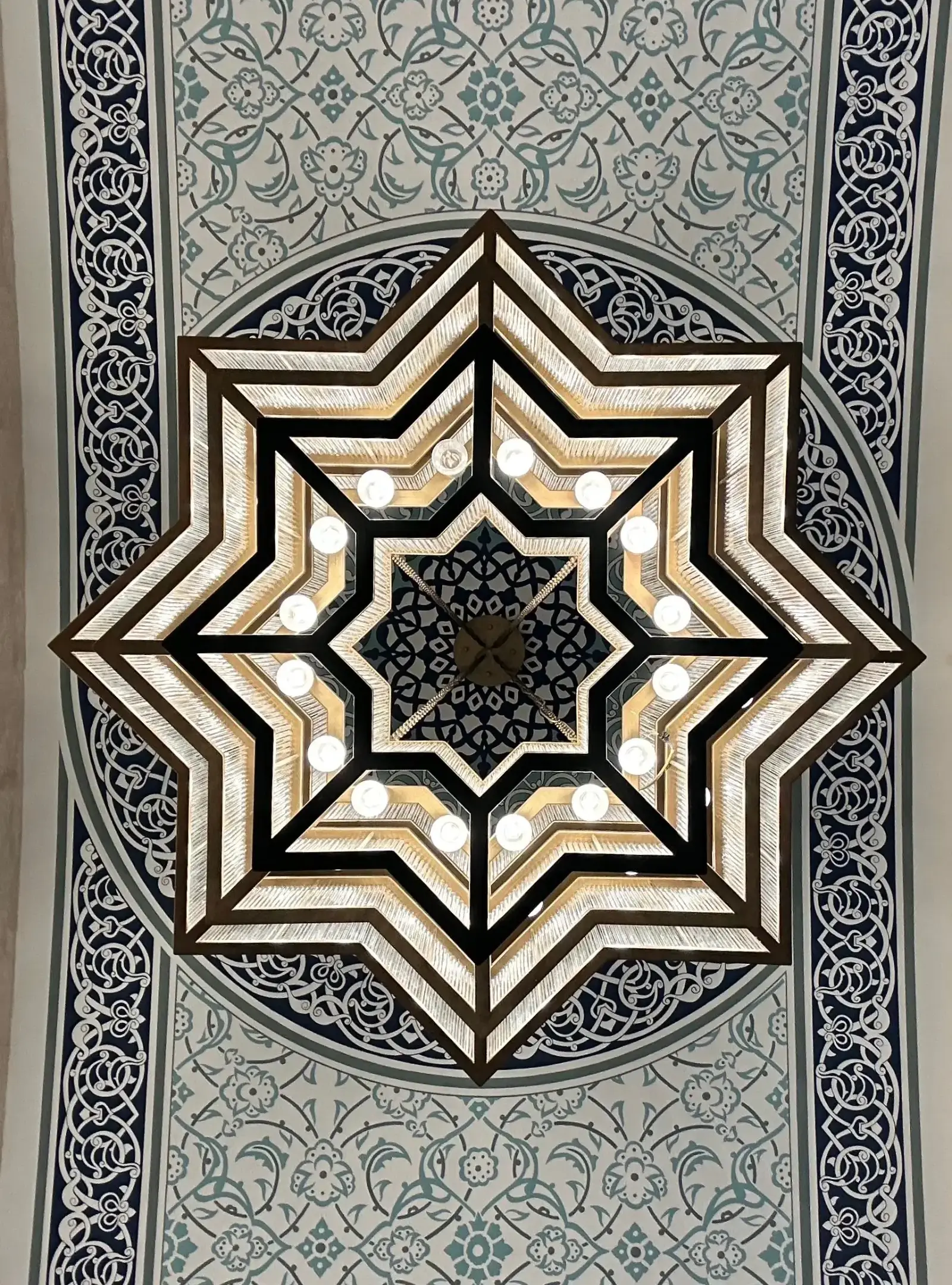
Islamic geometric art developed as artisans sought forms of decoration that avoided figurative imagery, in line with religious sensibilities in many Islamic traditions. Instead, craftsmen turned to mathematics, developing complex patterns based on repeating shapes—stars, polygons, and interlacing lines—that could be extended infinitely in any direction.
From Architecture to Furniture
These patterns first flourished in architecture—mosque tilework, carved wooden doors, and window screens known as mashrabiya. Over time, the same techniques were applied at a smaller scale to furniture: inlaid wood tabletops, carved cabinet panels, screened room dividers, and decorative chests all became canvases for geometric artistry.
Techniques Behind the Patterns
Traditional artisans used techniques like marquetry (inlaying different wood tones to form a pattern), mother-of-pearl inlay, and precise hand-carving to create these designs. The mathematical precision required meant this work was often passed down through generations of specialized craftsmen, with techniques closely guarded within families or guilds.
A Modern Revival
Contemporary Custom furniture designers across the UAE and wider region are increasingly reviving these patterns, often reinterpreting them with modern manufacturing techniques like laser cutting and CNC carving. This allows the intricate detail of traditional geometric design to be applied to screens, cabinet fronts, and accent furniture at a more accessible scale and cost.
Bringing Pattern into Your Home
For homeowners wanting to incorporate this heritage into modern interiors, geometric-patterned screens, carved side tables, and inlaid accent pieces offer an elegant way to introduce cultural depth without overwhelming a space—working particularly well as statement pieces against otherwise minimalist backdrops.