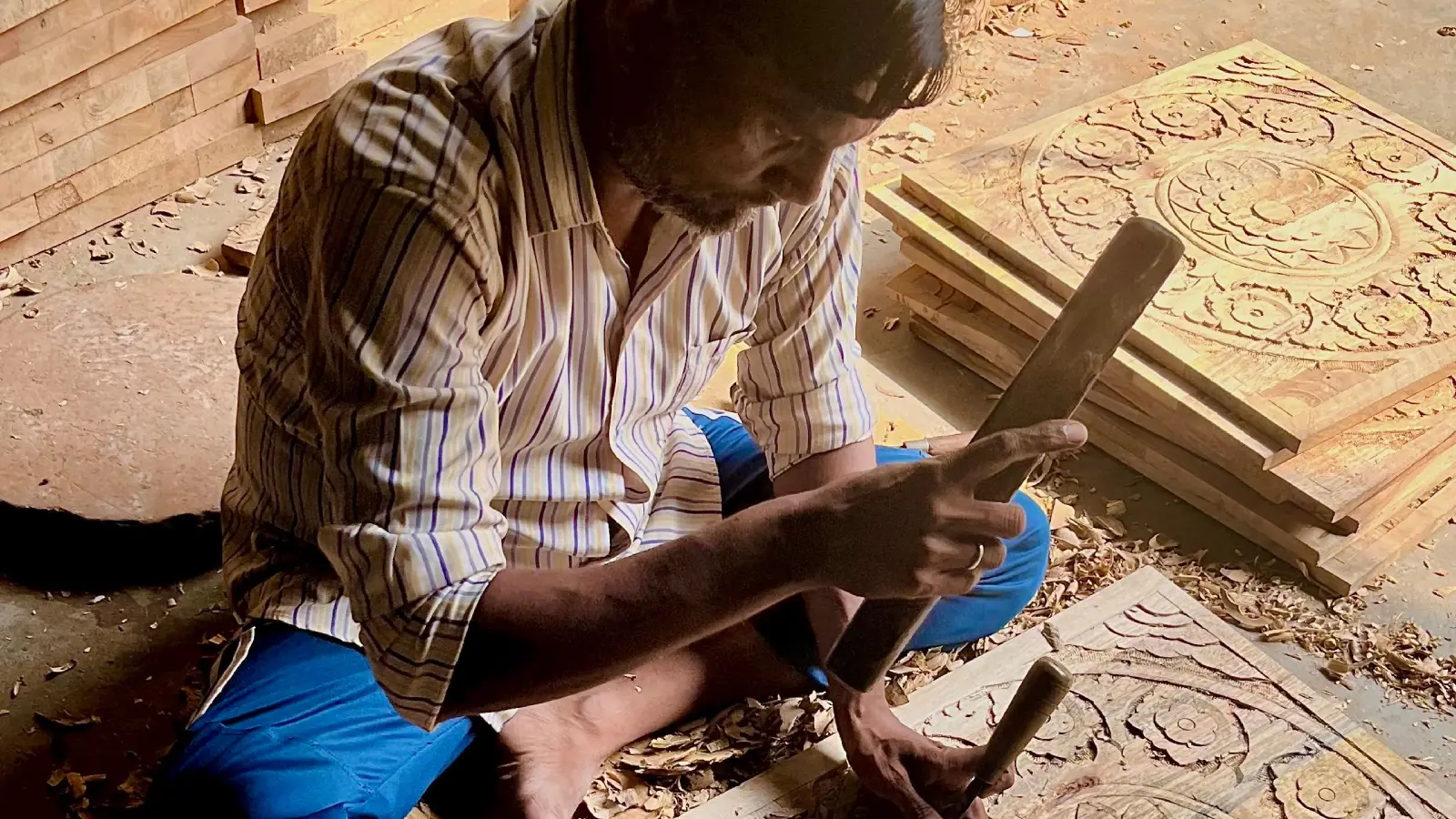
Wood has long been one of the most valued materials in Middle Eastern furniture making—prized not because it was abundant in a largely arid region, but precisely because it wasn’t. Importing quality timber took skill, trade connections, and resources, and the furniture made from it reflected that value through exceptional craftsmanship. Imported Timbers, Local Mastery […]
Wood has long been one of the most valued materials in Middle Eastern furniture making—prized not because it was abundant in a largely arid region, but precisely because it wasn’t. Importing quality timber took skill, trade connections, and resources, and the furniture made from it reflected that value through exceptional craftsmanship.
Imported Timbers, Local Mastery
Much of the fine wood used in traditional Middle Eastern furniture—teak, rosewood, sandalwood—arrived via maritime trade routes connecting the Gulf to India, East Africa, and beyond. Coastal trading centers became hubs where imported timber met skilled local craftsmen, who transformed it into chests, doors, and furniture pieces using techniques refined over generations.
Signature Techniques
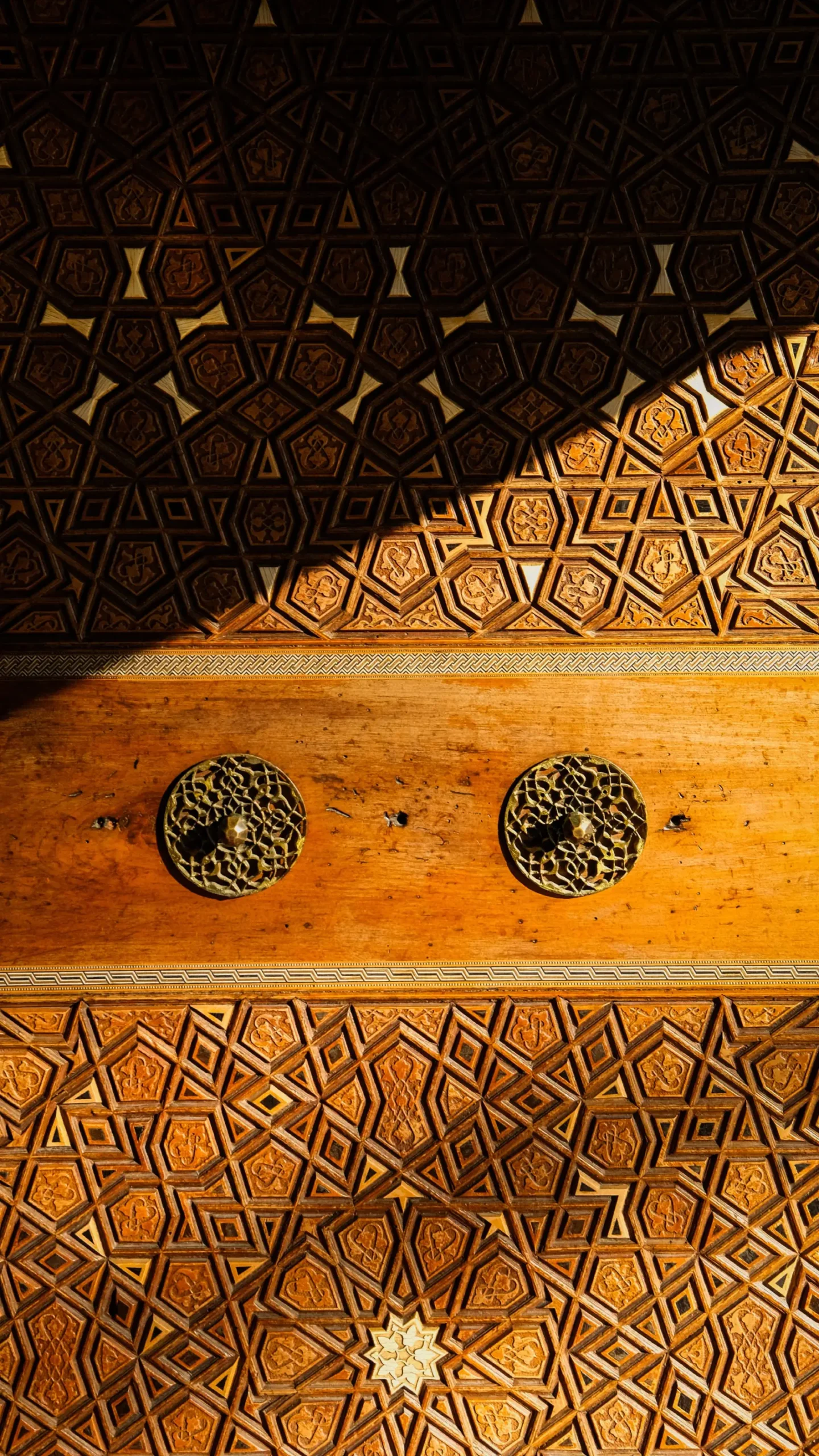
Middle Eastern woodworking is known for several distinctive techniques. Marquetry and parquetry involved inlaying contrasting wood tones—and sometimes bone, metal, or mother-of-pearl—into intricate patterns. Deep relief carving added texture and shadow to cabinet doors and chest fronts. Joinery techniques, often avoiding nails altogether, relied on precise interlocking joints suited to wood that could expand and contract in extreme heat.
The Omani and Emirati Chest Tradition
One of the most recognizable examples of this craftsmanship is the traditional wooden chest, historically used for storing textiles, valuables, and dowries. Elaborately decorated with brass fittings, geometric carving, and inlay work, these chests were often among a family’s most prized possessions, sometimes commissioned specifically for weddings.
Craftsmanship Today
While mass production has changed how most furniture is made, artisan wood craftsmanship hasn’t disappeared. Heritage villages, souks, and specialty workshops across the UAE still produce hand-carved furniture using traditional techniques, and many contemporary designers commission custom pieces that combine traditional joinery and inlay with modern forms—keeping this centuries-old skill alive for a new generation of homes.